
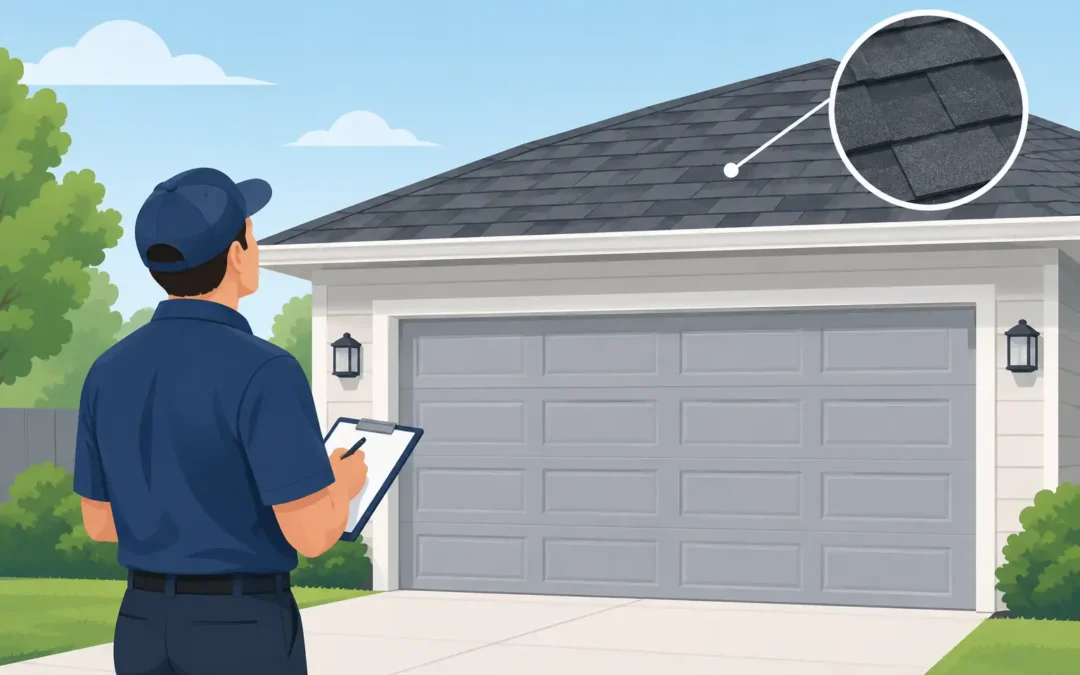
A garage roof rarely fails without giving some warning. A damp patch, a drip after heavy rain, a sagging area or loose material can all point to a problem that will become more expensive if left alone. A professional roof inspection service gives you a clear view of the condition of your garage or outbuilding, so you can make a sensible decision before minor damage turns into a larger job.
For older garages in Stoke-on-Trent, Staffordshire, Cheshire and nearby areas, an inspection can also identify whether asbestos-containing materials may be present. That changes how work should be planned. The aim is not to create alarm, but to deal with the structure safely, explain the options clearly and keep your property tidy throughout.
What a roof inspection service should check
A useful inspection is more than a quick look from the ground. The contractor should assess the roof covering, its edges, fixings, joints, drainage and the supporting structure where this can be safely seen. They should also look for evidence of water entry inside the garage, such as staining, mould, softened timber or damaged stored belongings.
The condition of the roof should be considered as a whole. A single split or gap may be repairable, but widespread cracking, worn surfaces or repeated leaks can mean replacement offers better value over time. This is why an honest inspection matters. The right answer depends on the age of the garage, the materials used, the extent of the damage and your plans for the building.
For a garage that is being upgraded, the inspection may also consider practical details around doors, windows, cladding and access. There is little value in replacing a worn roof only to leave surrounding areas that are allowing water or draughts into the building.
Signs you should arrange an inspection
Some issues are obvious, but many owners put off arranging a visit because the garage still appears usable. The trouble is that water can travel along surfaces and timbers before it becomes visible inside. By the time a regular drip appears, the damage may already be more extensive than expected.
It is sensible to book an inspection if you have noticed water after rainfall, visible cracks or breaks in the covering, sagging sections, loose edges or corrosion around fixings. A musty smell, damp patches on the ceiling or walls, and timber that feels soft are also reasons to have the garage checked. If the roof looks weathered and you do not know when it was last replaced, an assessment can provide useful reassurance.
Storms and high winds are another reason to act promptly. Even where the roof has not blown loose, wind can lift edges, weaken fixings and create small openings for water. A timely repair may prevent damage to the garage structure and anything stored inside it.
Older garage roofs and asbestos concerns
Many older garages and outbuildings have roofs made from asbestos cement sheets. When these materials are in good condition and left undisturbed, they do not automatically require removal. However, age, breakage, drilling, cleaning and deterioration can increase the risk of fibres being released.
A roof inspection should never involve breaking, sanding or unnecessarily disturbing suspected asbestos materials. If there is any concern, the safest approach is to have the material assessed and plan the work properly. Removal and disposal need to be handled by trained, licensed professionals using the correct controls and disposal routes.
This is particularly important if you are considering refurbishment. Replacing doors, fitting windows, adding cladding or dismantling an old garage can all affect the roof and walls. Planning the project as one coordinated piece of work helps avoid delays, unnecessary disruption and the risk of one trade disturbing materials before the right safety measures are in place.
Repair or replacement: which is the better option?
A sound roof with one localised fault may only need a targeted repair. Re-securing an edge, sealing a joint or replacing a damaged section can be a practical and cost-effective solution when the rest of the structure remains in good order.
Replacement is often the better choice where there are repeated leaks, widespread deterioration, a weakened supporting structure or asbestos-containing sheets that need to be removed safely. Although a replacement involves a greater initial cost, it can prevent a cycle of call-outs and patch repairs. It also gives you the opportunity to improve the appearance and everyday use of the garage.
There is no one-size-fits-all answer. A dependable contractor should explain what has been found, distinguish urgent issues from work that can be planned, and provide a fixed-scope quotation where possible. That lets you compare the cost of repairing now against investing in a longer-lasting solution.
What happens during a professional inspection?
The visit should be straightforward and easy to understand. A trained contractor will inspect accessible areas safely, ask about any leaks or previous repairs, and look inside the garage as well as outside. If access is restricted by stored items, moving a few items away from the walls beforehand can help the inspection, but you should not climb onto the roof or attempt to remove damaged materials yourself.
After the assessment, you should receive clear advice in plain English. This should cover the condition of the roof, likely causes of any problem, whether asbestos may be involved and the recommended next step. For some garages, that may be a repair. For others, it may be safe removal, a replacement roof and refurbishment work to bring the whole building up to a better standard.
AGS Roofing Services provides this practical, end-to-end approach for garage owners who want one reliable local team to manage the work. With more than 30 years of hands-on experience, the team can handle safe asbestos garage-roof removal and disposal, replacement work and finishing improvements without asking you to coordinate several separate contractors.
Questions to ask before agreeing to work
Before choosing a contractor, ask how they will identify and manage suspected asbestos, what work is included in the quote, and how waste will be removed from site. It is also worth asking whether the price includes any required repairs to the supporting structure, as these are sometimes only identified once damaged materials have been removed.
A clear answer matters more than a vague low price. You want to know who is responsible for the site, how long the work is likely to take and what the garage will look like when the job is finished. A professional service should be on time, communicate clearly and leave the area clean and tidy.
Make a decision before the next leak
A garage does not need to be in poor condition before you ask for advice. An inspection can confirm that a small concern is manageable, help you budget for future work or identify a safety issue that needs prompt attention. The best time to arrange a roof inspection service is when you have noticed the first sign of change, not after water has had months to cause damage behind the scenes.